A healthy diet can easily meet your body’s important demands for magnesium
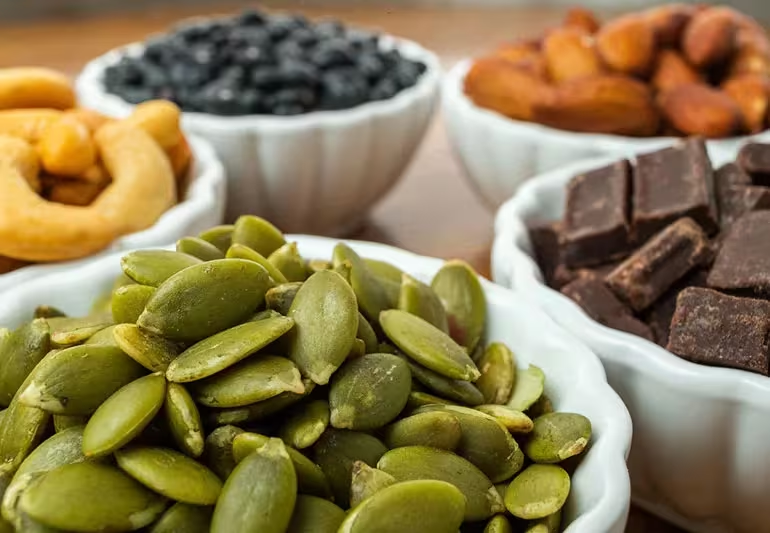
White bowls full of pumpkin seeds, dark chocolate and various kinds of nuts
More than 300 essential processes within your body rely on magnesium. It’s a heavy-hitter list that includes heart rhythm, muscle contractions, blood pressure control, bone health and creating energy.
So, are you doing enough to feed your body’s need for magnesium? Probably not, judging by typical eating habits in the United States and around the world.
But fixing that situation isn’t as complicated as you might think. Tossing a few key foods into your grocery basket can easily take you from magnesium-deficient to magnesium-sufficient. So, let’s build a magnesium-rich shopping list with registered dietitian Anna Taylor, RD, LD.
Foods high in magnesium
Magnesium is a mineral naturally present in many foods. That’s a good thing, too, because you really need it in your diet. Experts recommend that you consume between 310 and 420 milligrams (mg) of magnesium per day (depending on age and sex).
But before you pull out a calculator and start poring over nutrition labels, Taylor has some advice.
“I rarely recommend people tally up magnesium or other vital nutrients,” she says. “It’s tedious, difficult and ungainly. Instead, make sure to include a variety of fiber-rich plant foods in your diet every day and you’ll get where you need to be.”
Here are Taylor’s top picks (arranged by food type) to keep your magnesium levels in the optimal range:
Nuts and seeds
Nuts and seeds may be small in size, but they pack a nutritional punch with gobs of protein, fiber, healthy fats and minerals such as magnesium, says Taylor. Here are five options with their stellar magnesium resumes:
Almonds (roasted): 1 ounce = 80 mg of magnesium
Cashews (roasted): 1 ounce = 72 mg of magnesium
Flaxseed (whole): 1 tablespoon = 40 mg of magnesium
Peanuts (dry roasted): 1 ounce = 49 mg of magnesium
Pumpkin seeds (hulled, roasted): 1 ounce = 150 mg of magnesium
Chia seeds: 1 ounce = 111 mg of magnesium
Legumes
Biologically speaking, a legume is a plant from the Fabaceae family. Nutritionally speaking, they’re a powerhouse on multiple levels, including magnesium content. Here are three to consider:
Black beans (boiled): 1/2 cup = 60 mg of magnesium
Edamame (cooked, prepared): 1/2 cup = 50 mg of magnesium
Lima beans (cooked): 1/2 cup = 40 mg of magnesium
Fiber-rich whole grains
Magnesium content is yet another reason to add whole grains to your diet.
Quinoa (cooked): 1/2 cup = 60 mg of magnesium
Shredded wheat (plain, unfrosted): 1 cup = 56 mg of magnesium
Low-fat dairy products
Dairy products get a lot of attention for calcium content, but they also can be a good source of magnesium, notes Taylor. Consider it a two-for-one deal!
Milk (nonfat): 1 cup = 24 to 27 mg of magnesium
Yogurt (plain, low-fat): 8 ounces = 42 mg of magnesium
Greens
Dark and leafy greens qualify as a superfood, with magnesium content being just one of their many superpowers.
Spinach (cooked): 1/2 cup = 78 mg of magnesium
Swiss chard (cooked): 1/2 cup = 75 mg of magnesium
Collard greens: 1/2 cup = 25 mg of magnesium
Fruit
It’s recommended that you eat two servings of fruit per day as part of a healthy diet. Consider these to check that box, plus the one for magnesium:
Avocados: One whole avocado = 58 mg of magnesium
Bananas: One medium banana = 32 mg of magnesium
Papaya: One small papaya = 33 mg of magnesium
Blackberries: 1 cup = 29 mg of magnesium
Vegetables
“Eat your veggies” has long been good advice. These three will help you meet your magnesium goals:
Green peas: 1/2 cup = 31 mg of magnesium
Sweet corn: 1/2 cup = 27 mg of magnesium
Potatoes: One medium potato with skin = 48 mg of magnesium
Chocolate
Dark chocolate is a decadent treat that can treat your body right when it comes to magnesium.
Dark chocolate (70%-85% cocoa): 1 ounce = 64 milligrams of magnesium
Water
Tap, mineral and bottled waters can be sources of magnesium, but it can be difficult to know how much magnesium they contain because it depends on the water source. “It can be anywhere from 1 mg per liter to 120 mg per liter,” notes Taylor.
So, if you drink the recommended 2 liters of water per day, that could be up to 240 mg of magnesium.
What about a magnesium supplement?
Magnesium supplements can be helpful if a doctor determines you have a magnesium deficiency. But if you have no major health problems, try to get magnesium from what’s on your plate.
“’Food first’ is my mantra,” states Taylor. “If you take a dietary supplement for magnesium and take too much, you may experience uncomfortable side effects such as cramping, diarrhea and nausea.”
Tips to get enough magnesium in your diet
To get the recommended amount of magnesium your body requires, Taylor recommends eating:
Five servings of fruits and vegetables per day
At least three servings of whole grains per day
One ounce or 1/4 cup of nuts or seeds per day
One serving (about 1/2 cup cooked) of legumes most days of the week
Meals featuring the magnesium-rich foods noted above are just plain good for you, too. The benefits of these foods often go far beyond just magnesium. Consider them a foundation for a healthy diet.
“You’re not just getting magnesium from these foods,” says Taylor. “You’re also getting so many fantastic nutrients, such as vitamins, other minerals and phytonutrients that can benefit your body in so many different ways.”