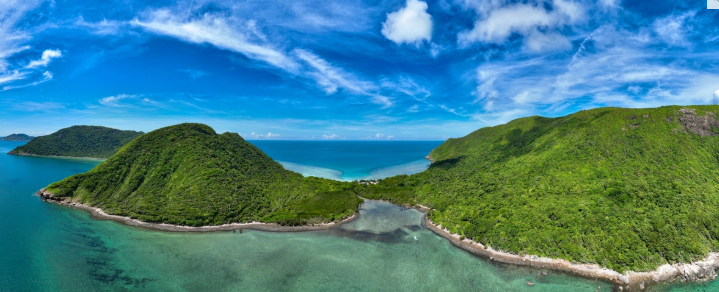
From April to September every year, hundreds of sea turtles swim into Con Dao to nest, with Bay Canh Island being one of Vietnam's busiest nesting grounds, with up to 30 arriving in a single night.
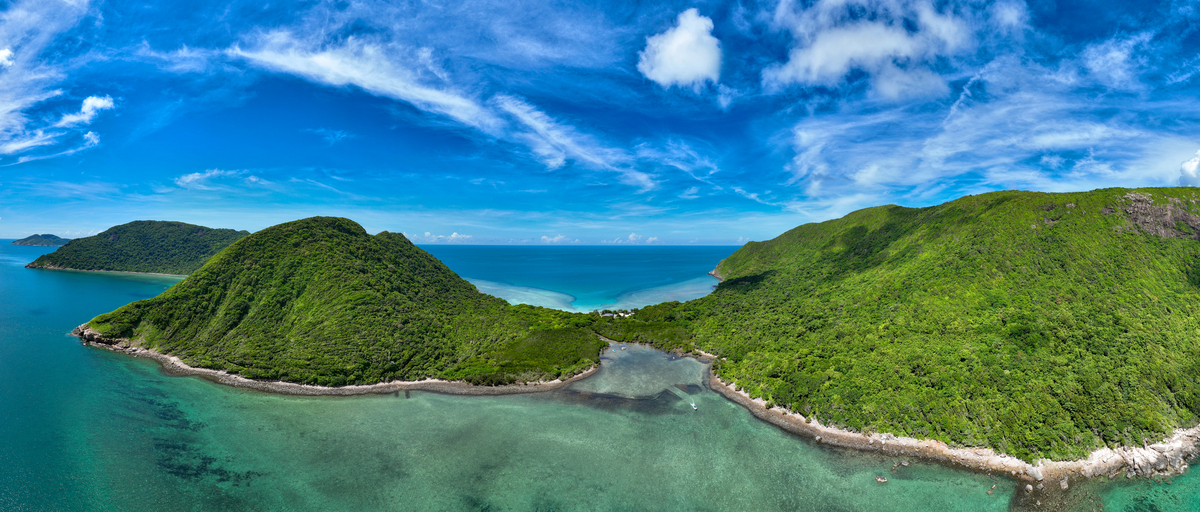
Spanning 683 hectares, Bay Canh is the second-largest of the 16 islands in the Con Dao archipelago and largest among the 14 turtle nesting sites.
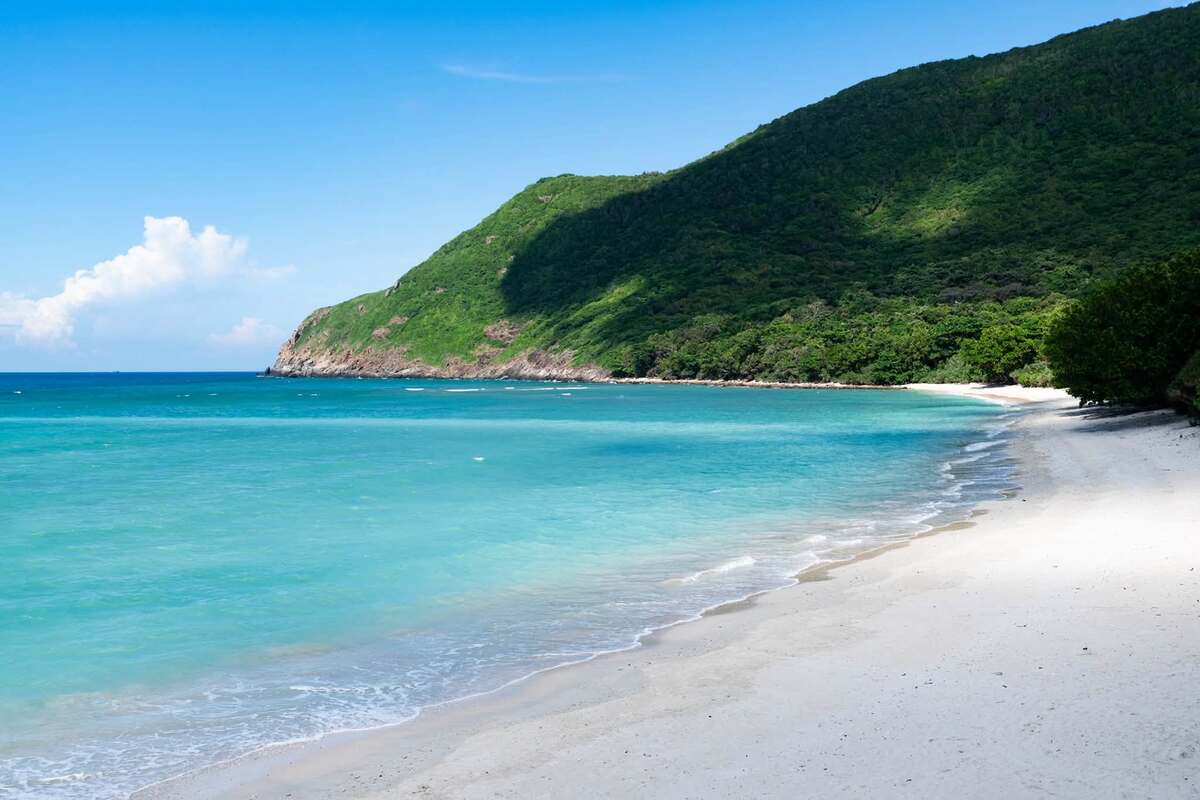
It boasts crystal-clear waters, fine white sand, and gentle slopes that create ideal conditions for the turtles to come ashore, dig nests, and lay eggs.
The island is home to two mountains that are connected by Cat Lon Beach, a natural sand spit stretching nearly 900 meters.
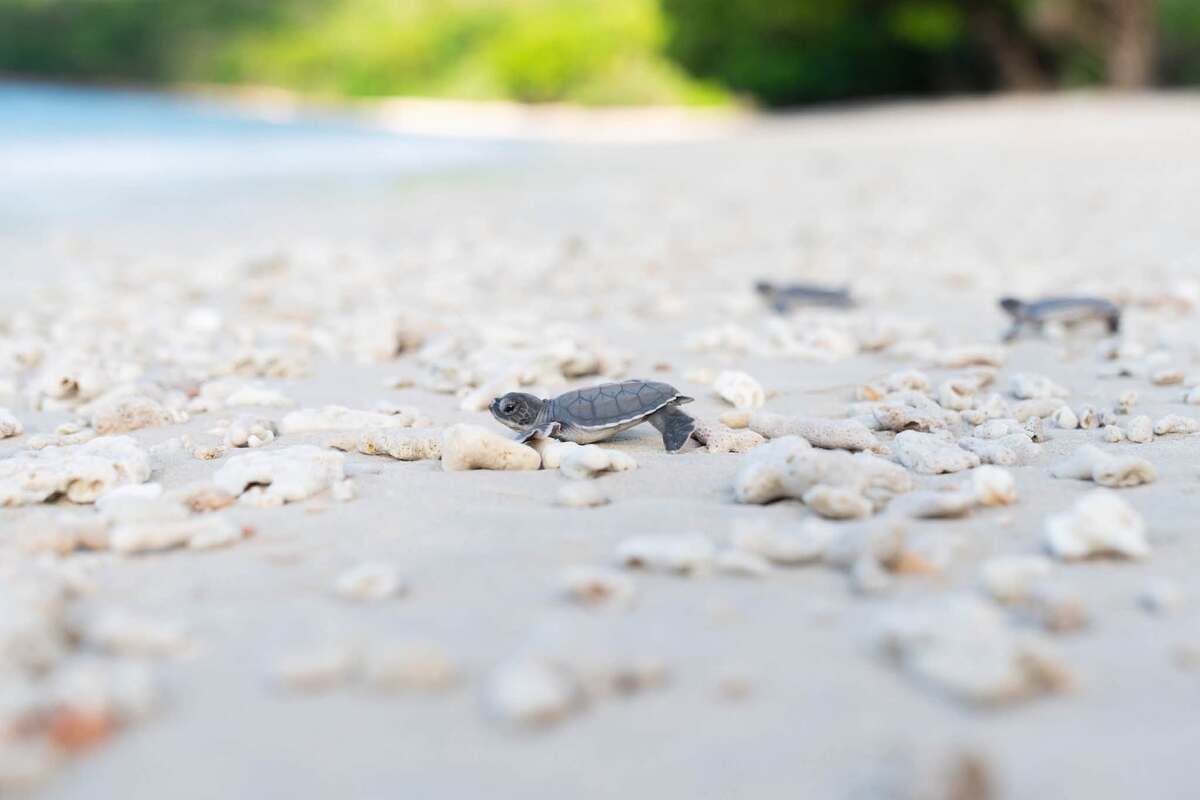
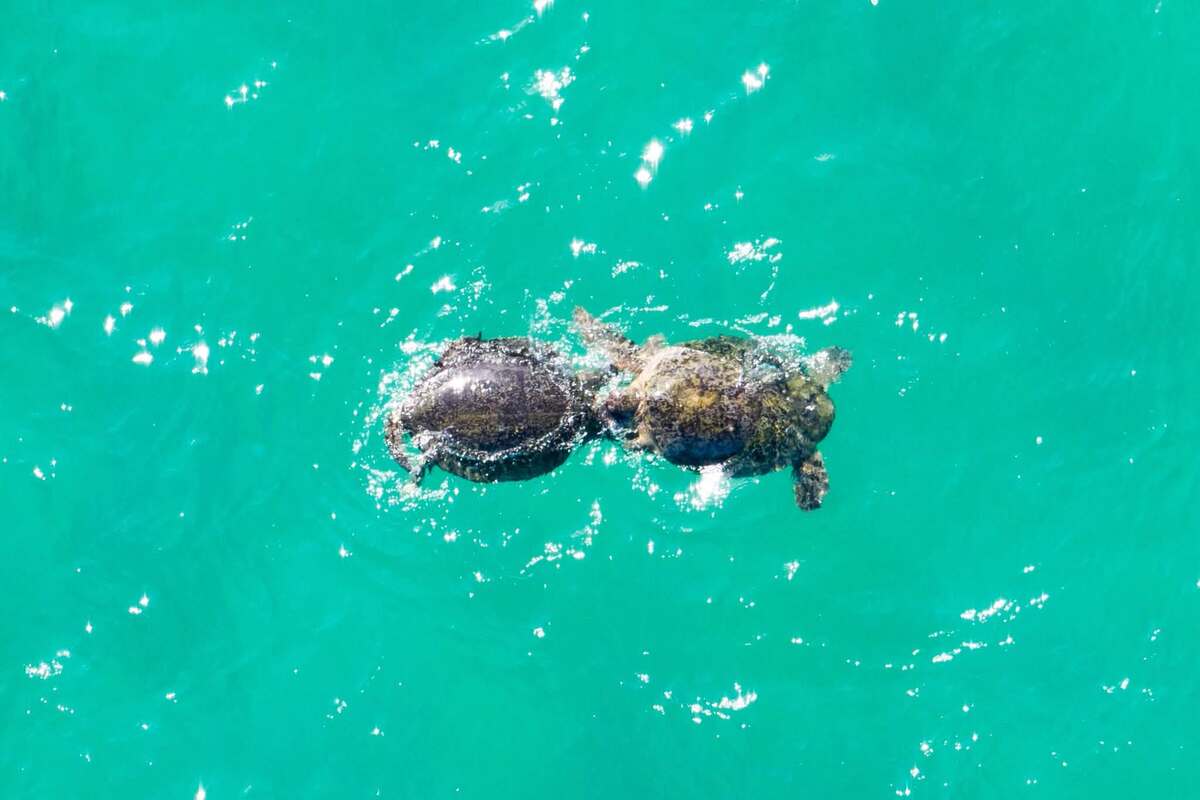
According to the Con Dao National Park, between 2016 and 2025, more than 20,800 egg nests were rescued and successfully hatched, returning over 1.5 million baby turtles to the ocean.
Every breeding season, around 600-900 turtles return to make nests, rising to 1,000 some years.
According to the Florida Fish and Wildlife Conservation Commission, the survival rate of turtle hatchlings reaching adulthood is just 1 in 100.
They often die from dehydration if they do not reach the sea quickly enough after hatching, or fall prey to predators.
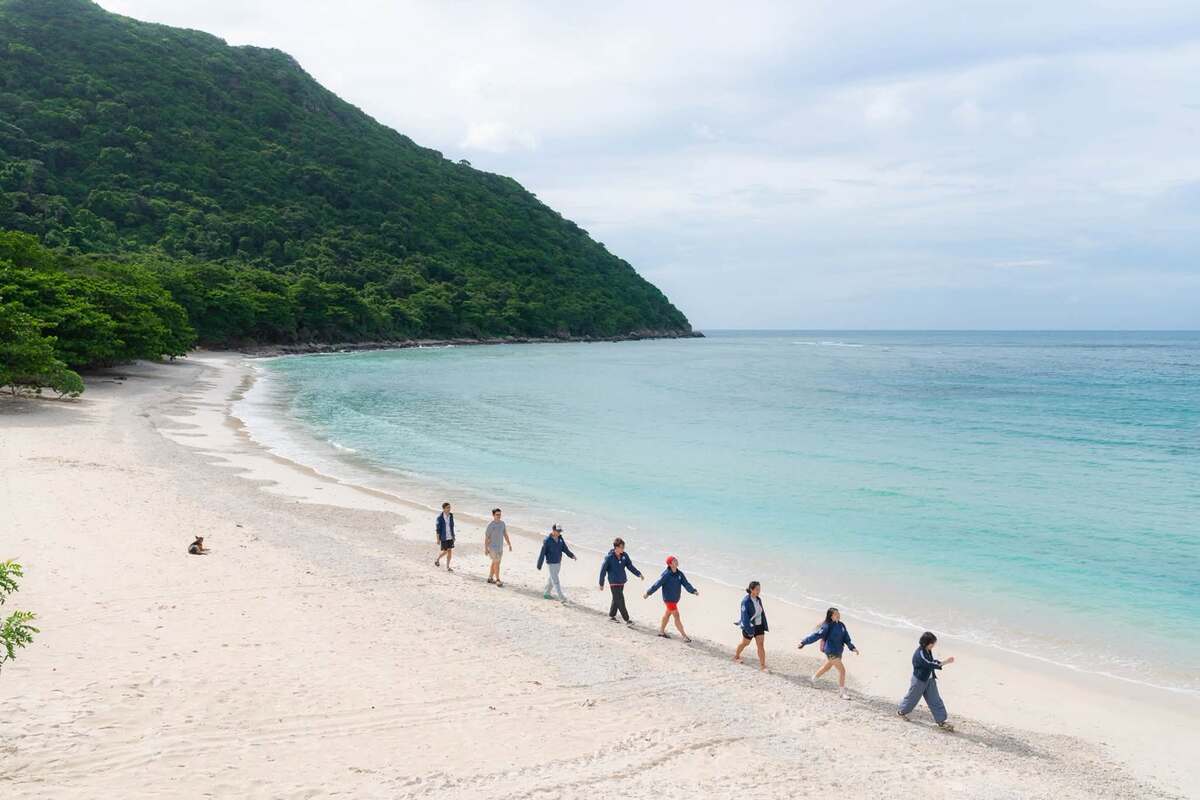
Con Dao National Park collaborates with the International Union for Conservation of Nature to implement a sea turtle conservation volunteer program, attracting many participants every year.
Applicants must submit their files through both organizations, and the results are usually announced a month before the departure date.
Volunteers need to cover their travel expenses to Con Dao and their accommodation for the first night.
Afterwards, they are taken to Bay Canh Island to assist forest rangers in monitoring mother turtles coming ashore to nest, relocating eggs when necessary, managing incubation pits, and releasing hatchlings back into the sea.
Foreigners require a border area clearance to visit the island since it is in a sensitive maritime border zone.
But licensed tour operators and the Con Dao National Park management handle the paperwork for them.
The park limits the number of overnight visitors on the island to just 50.
Once on the island, guests participating in night-watching activities must strictly follow park regulations, including keeping their voices low, turning off white lights and camera flashes, and maintaining a respectful distance while the turtles lay their eggs.
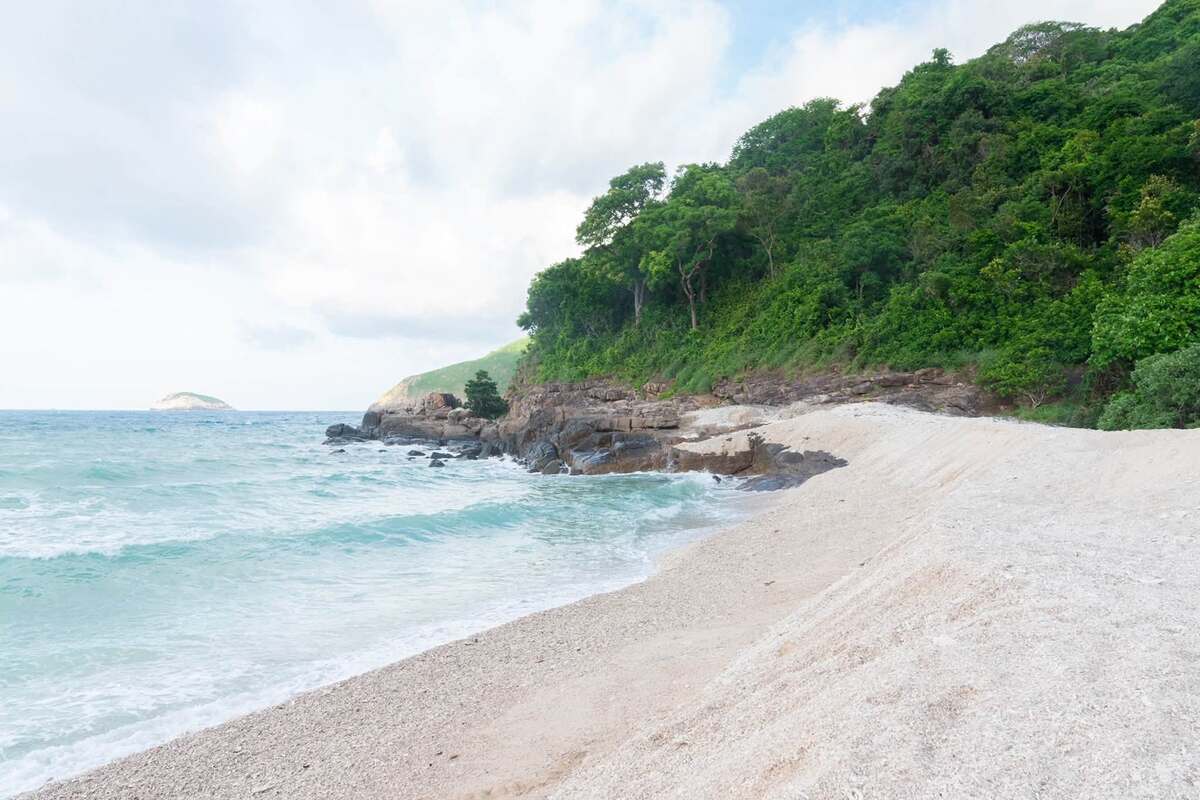
Besides Cat Lon Beach, Bay Canh also has two other beaches where sea turtles regularly come to nest: Xi Mang Beach (pictured) and San Beach.
Xi Mang Beach is tied to history from the French colonial era, serving as a staging area for cement before transport to the island peak to build the Bay Canh Lighthouse.
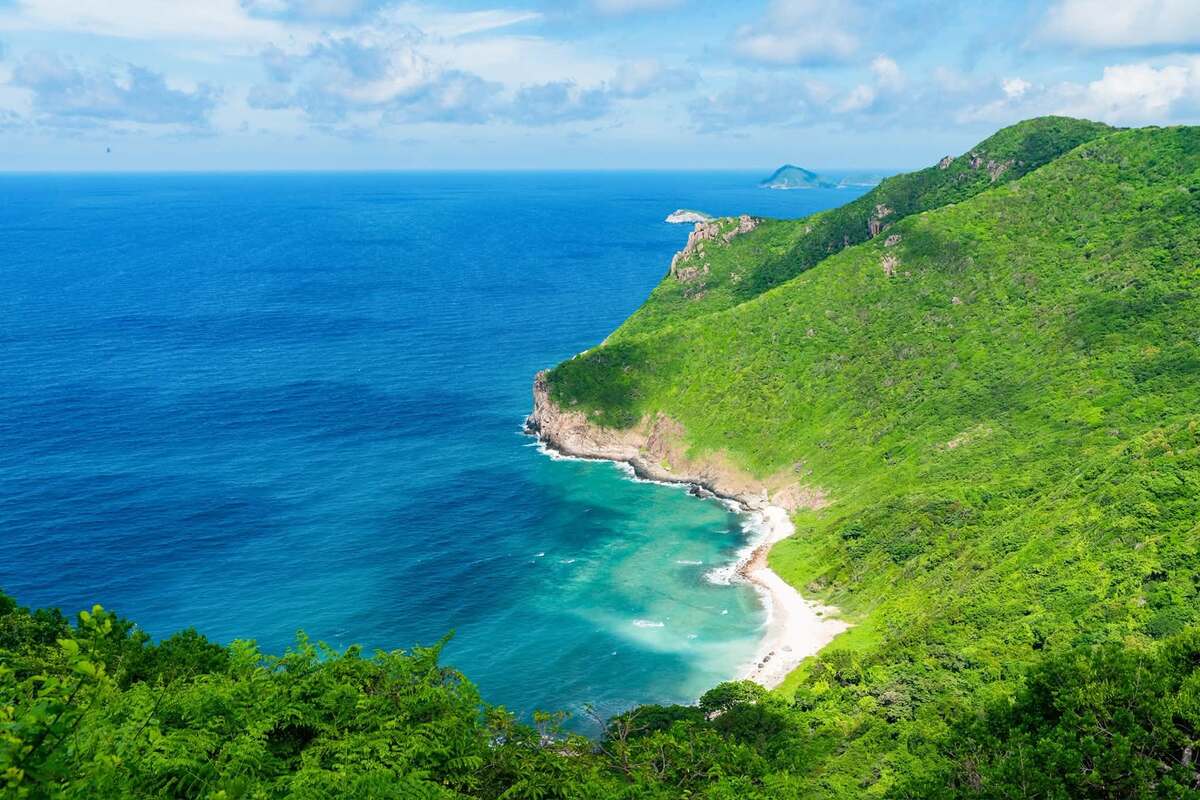
San Beach is unique, containing sand and small pebbles that cover the shore.
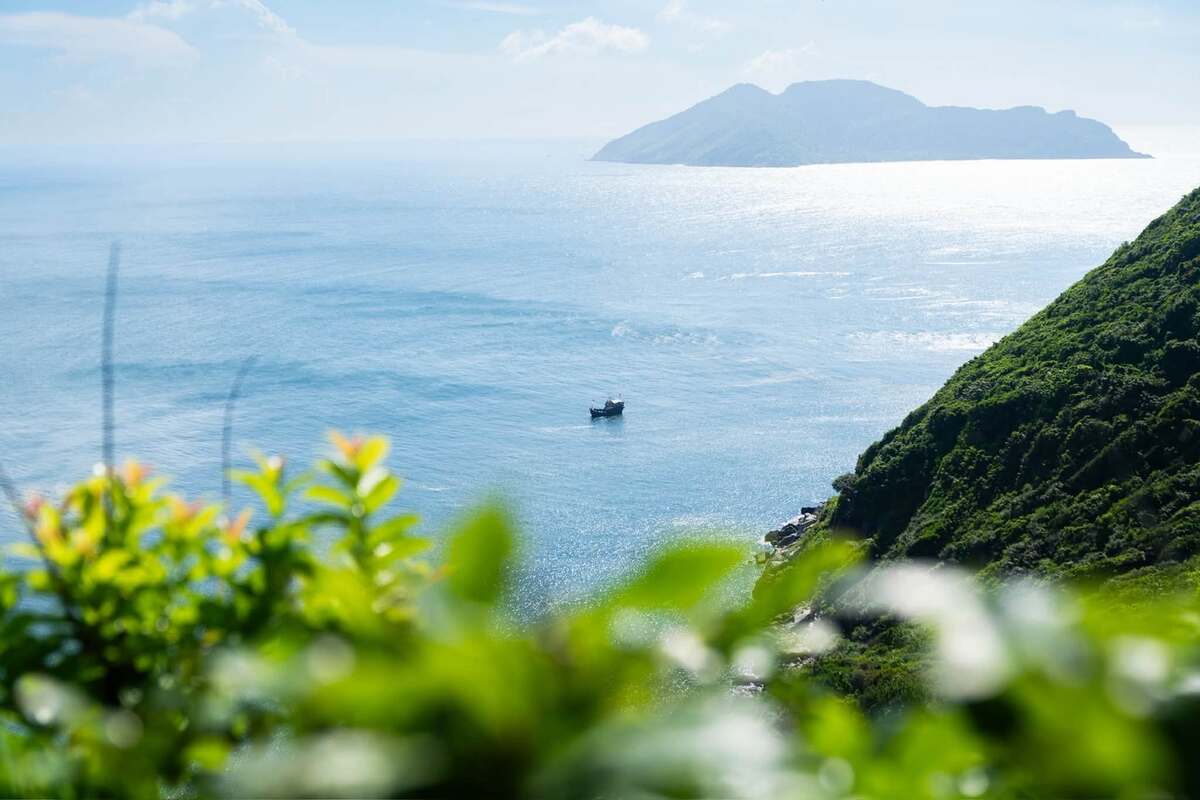
From Bay Canh, one can look across to Hon Cau, another turtle nesting site in Con Dao.
Bay Canh also features a permanent ranger station dedicated to protecting natural resources and monitoring sea turtle breeding activities.
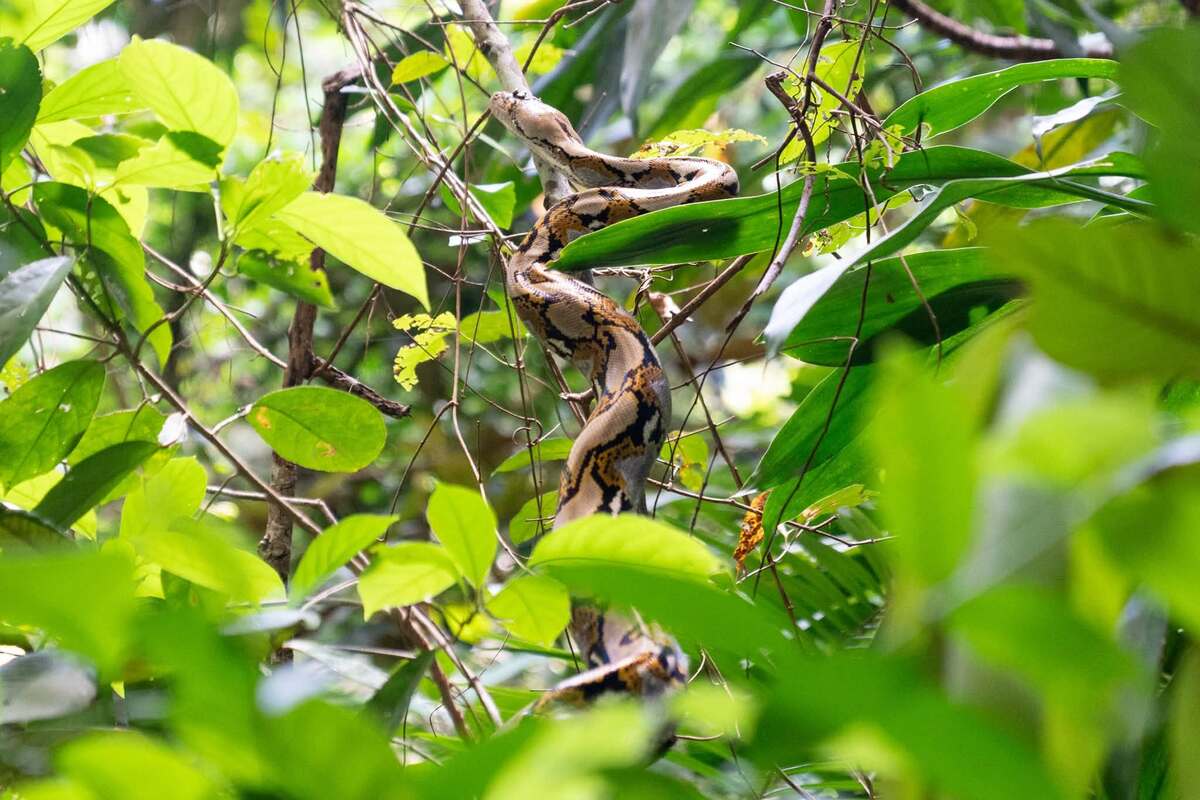
Bay Canh is not only sea-turtle central in Con Dao, but also has the most diverse ecosystem in the archipelago, with tropical rainforests, mangrove forests, seagrass beds, and coral reefs creating a rich habitat for various flora and fauna.
A highlight is the Bo Dap Beach area, home to a primeval mangrove forest growing on a foundation of sand and dead coral, one of the rarest terrains in Vietnam.
The island is also home to many rare and precious species, such as monitor lizards, reticulated pythons (pictured), and Nicobar pigeons.