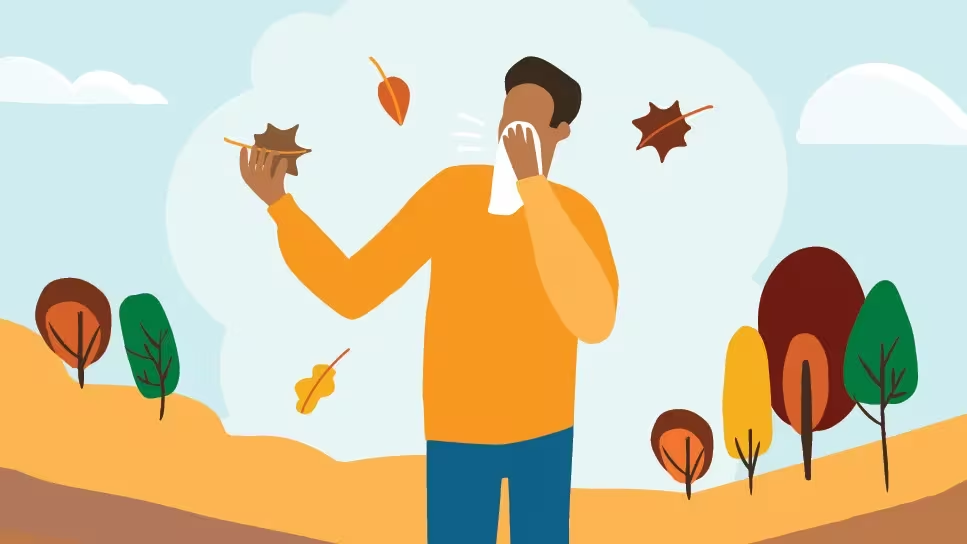
What are fall allergies?
Autumn allergies are a form of allergic rhinitis, also called hay fever. It occurs when your immune system reacts to pollen in the air.
What causes fall allergies?
Pollen remains one of the biggest fall allergy culprits — just as it is during spring and summer. What changes with the seasons is the type of pollen being released.
“Fall is when weed pollen peaks,” Dr. Aronica explains. “If it’s an unseasonably warm fall, you may also deal with grass pollen allergies at the same time, making already troublesome symptoms even worse.”
The most common fall allergen is ragweed, which typically blooms in late August. Ragweed flowers produce a lot of pollen. Dr. Aronica says a single plant can release up to a billion grains of the stuff.
Other common fall allergens include:
Cocklebur
Lamb’s quarter (pigweed)
Mugwort
Nettle
Russian thistle
Sagebrush
Tumbleweed
Damp weather and decaying plant life also mean fall can be a tough time for people who are allergic to mold.
Fall allergy symptoms
If you’re sensitive to allergens that peak during the fall, expect to deal with:
Congestion
Itchy eyes
Runny nose
Sneezing
Postnasal drip
You may also experience fatigue, brain fog and sleep issues, especially if you’re using antihistamines to manage your symptoms.
Fall allergies vs. a cold
Fall may give rise to seasonal allergies, but it’s also the start of respiratory season. So, how can you tell whether you’re dealing with a virus or allergies?
You’ve likely got an upper respiratory infection if your symptoms include:
Fever or chills
Body aches
Severe fatigue
Nausea or vomiting
A bad cough
An ongoing sore throat
Thickened mucus (that might be yellow or green)
Another hint?
“If allergy medications aren’t making much of a dent in your symptoms, you might have a virus,” Dr. Aronica says.
How are they diagnosed?
Not everyone needs a formal diagnosis of allergic rhinitis. But if your fall allergy symptoms are bad enough that they affect your quality of life, it may be a good idea to connect with an allergist.
“We’ll examine you, discuss your symptoms and do a skin test to identify your triggers,” Dr. Aronica outlines. “Allergy shots are prescribed and managed by an allergist, so if that’s something you’re interested in, you need to see a specialist.” (More on that option later.)
How to treat fall allergies
Autumn allergies are best handled with a combined approach. Dr. Aronica shares go-to home remedies, over-the-counter (OTC) medications, prescription drugs and allergy prevention techniques that may provide relief.
Home remedies
There are lots of tried-and-true home remedies for allergies. If you’re feeling under the weather right now:
Do a sinus rinse. If you use a neti pot properly — and keep it clean — it can be a great tool for fast relief from nasal congestion. It flushes out both the excess mucus and the allergens trapped in your nasal passages.
Drink up. Hydration is key for allergy relief. Water can do the trick — it thins out mucus and helps soothe irritated tissues. But warm tea with honey is also a great option, especially if that postnasal drip’s giving you a sore, scratchy throat.
Use artificial tears. If your eyes are bothering you, wash your face and flush them with artificial tears (not allergy eye drops). This helps evict any allergens residing in your peepers.
Consider cold compresses. If your eyes are still red, itchy and swollen after rinsing them out, a cold compress may help calm things down.
Try steam inhalation. Warm, moist air helps thin mucus and soothes irritated nasal passages. It can also help ease the pain of a sore throat.
It’s equally important to know which home remedies to skip. There’s no evidence supporting the use of essential oils for allergies, and they may make things worse. Dr. Aronica recommends sticking with evidence-based practices instead.
Medications
If home remedies aren’t getting the job done, hit up a drugstore or pharmacy to try an OTC medication, such as:
Nasal steroid sprays, like fluticasone and triamcinolone
Long-acting, nonsedating antihistamines, such as loratadine and cetirizine
“These medications are generally very good at managing most allergies,” Dr. Aronica notes.
Try taking OTC allergy meds before your allergies act up, too, especially if high pollen counts are in the forecast.
If over-the-counter treatments aren’t getting the job done, you may need a prescription-strength medication, like:
Antihistamine nasal sprays: Dr. Aronica recommends using nasal sprays like azelastine (Astepro®), now available over the counter, and olopatadine (Patanase®), which remains prescription-only, as needed for severe fall allergies. For the best results, use them twice a day when your allergy symptoms are at their worst.
Allergy shots: Also called allergen immunotherapy or subcutaneous immunotherapy (SCIT), these treatments slowly decrease your sensitivity to certain allergens over time, which can greatly reduce symptoms. But it can take months to see results, so they’re typically considered for people with persistent or severe symptoms, or for those who’d prefer longer-term relief over daily medications.
How to reduce exposure to fall allergens
The best way to prevent seasonal allergies is to limit your exposure to triggers.
“The mainstay of therapy is avoidance,” Dr. Aronica says.
But that can be difficult when you’re allergic to pollen, which blows in the crisp autumn breeze and settles on everything in its path. Here’s how you can fight allergies in the fall:
Close your windows. Open windows welcome pollen. In the fall, when your allergies are high, use your home’s air conditioner or heat instead, if possible.
Take a shower. After you’ve spent time outdoors, bathe — or at least wash your hands and face. That will help get rid of lingering pollen.
Change your clothes. Pollen settles on your clothes, too. In addition to washing yourself off, consider changing into a clean outfit when you come inside for the day.
Delegate yardwork. Somebody’s got to mow the lawn, rake the leaves and pull weeds — but if possible, avoid outdoor chores that kick up allergens.
Though these tips will help reduce your exposure, Dr. Aronica understands that it’s pretty much impossible to fully avoid pollen. So, make sure your medicine cabinet is stocked for occasional flares.
Find relief this fall
Ultimately, there isn’t a cure for allergies. But a combination of home remedies, medications, prevention and planning can help ease your symptoms. That means less time sniffling and more time leaf peeping.