Early medical evaluation may help doctors:
Detect blood clots
Control blood pressure
Manage cholesterol
Treat heart rhythm problems
Prevent future strokes
The faster treatment begins, the better the chances of avoiding severe brain damage.
Important Stroke Risk Factors
People with these conditions may face higher risk:
Diabetes
Smoking
Obesity
High cholesterol
Heart disease
Sedentary lifestyle
Excessive alcohol use
Chronic stress
Family history of stroke
Risk generally increases with age, especially after 40.
How To Reduce Stroke Risk
Healthy prevention habits include:
Regular exercise
Balanced diet
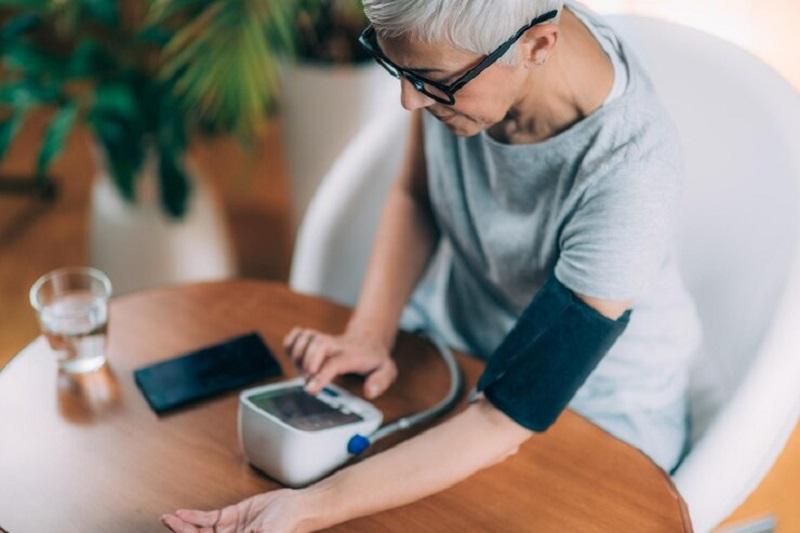
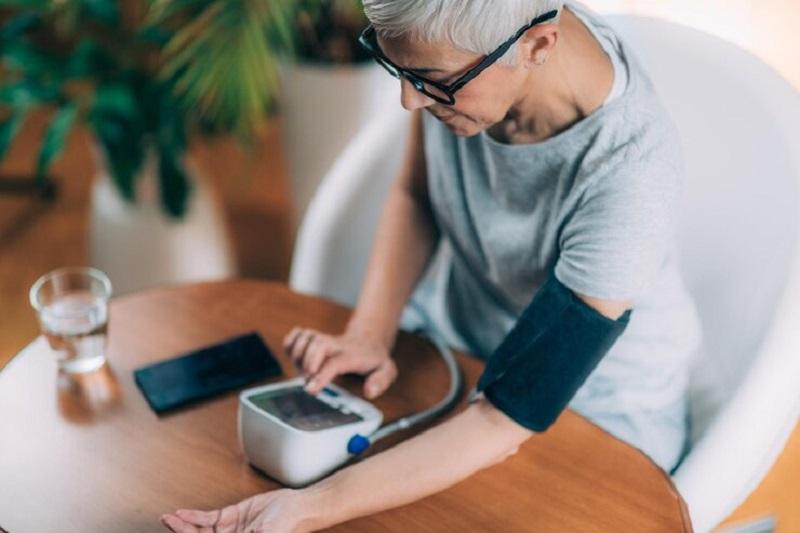
Controlling blood pressure
Managing blood sugar
Avoiding smoking
Maintaining healthy weight
Getting enough sleep
Reducing stress
Attending regular medical checkups
Small lifestyle changes over time can significantly improve cardiovascular and brain health.
Final Thoughts
The body often gives warnings before a stroke occurs, but those signals are frequently subtle and easy to overlook. Sudden weakness, dizziness, speech problems, vision changes, severe headaches, confusion, or unusual fatigue should never be ignored — especially when multiple symptoms appear together.
A stroke can change a life within minutes, but recognizing early warning signs may provide a critical opportunity for prevention and treatment.
Sometimes listening carefully to the body’s quiet warnings can make all the difference between recovery and tragedy.